Do you need Building Regulations for roof work?
Building Regulations apply to roof work when more than 25% of the roof covering is replaced. Here is exactly which jobs that catches, what Part L insulation means, and how to make sure your roof work is properly signed off across Ipswich and Suffolk.
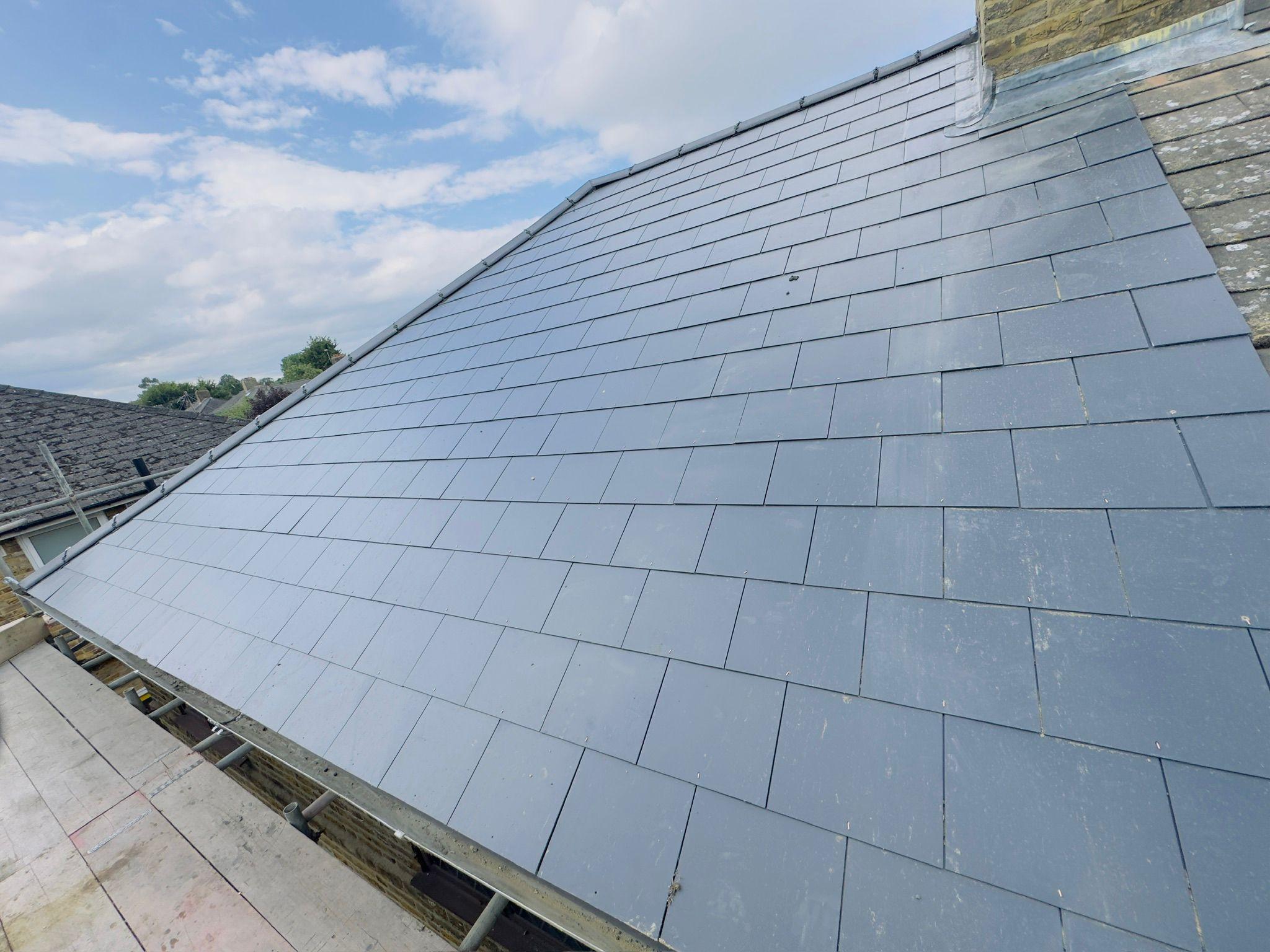
The kind of job Building Regulations applies to.
One threshold decides whether the council is involved.
The 25% rule is the threshold that decides whether roof work must comply with Building Regulations. If more than 25% of your roof covering is replaced, measured per roof plane, the work is notifiable: it must meet current standards, including the thermal insulation requirements under Part L, and it must be formally signed off. Below the threshold, a like-for-like repair — such as replacing a handful of slipped tiles — is not normally notifiable.
That sign-off normally means a building control application, fees, and an inspector visiting to approve the work. There is a second route: a roofer registered with a government-authorised Competent Person Scheme can certify their own work, so on notifiable jobs the paperwork is handled for you and the official Building Regulations compliance certificate is issued at handover — no council application, no inspector visit, no waiting.
Across Ipswich and Suffolk, building control is administered by your local authority, but the Competent Person Scheme route is recognised by all of them. A re-roof in Ipswich is certified the same way as one anywhere else in Suffolk.
Four things worth knowing before you start
A quick reference for the most common roof work
The certificate matters beyond the day of the job: when you sell, your buyer's conveyancer will ask for Building Regulations certificates for notifiable work. Roof work done without one becomes your problem at the worst possible moment.
| Work | Building Regulations? | Who signs it off | Council application? |
|---|---|---|---|
| Full re-roof (more than 25% of the covering) | Yes — including Part L insulation standards | Building control application or Competent Person Scheme self-certification | Only if your roofer is not CPS-registered |
| Small like-for-like repair (under 25%) | Not normally | No sign-off needed | No |
| Changing to a different roof covering (e.g. concrete tile to slate) | Yes — including structural checks for the weight change | Building control application or CPS self-certification | Only if your roofer is not CPS-registered |
| Flat roof re-cover (more than 25%) | Yes — including insulation upgrade requirements | Building control application or CPS self-certification | Only if your roofer is not CPS-registered |
| Loft conversion | Yes, always — full Building Regulations (structural work) | Full building control approval managed as part of the project | Handled as part of the project |
| Roof window installation (where structure is altered) | Yes, where the roof structure is altered | Certified as part of the installation | No |
This table is a general guide, not a definitive legal interpretation. Always confirm the position for your specific project before work starts.
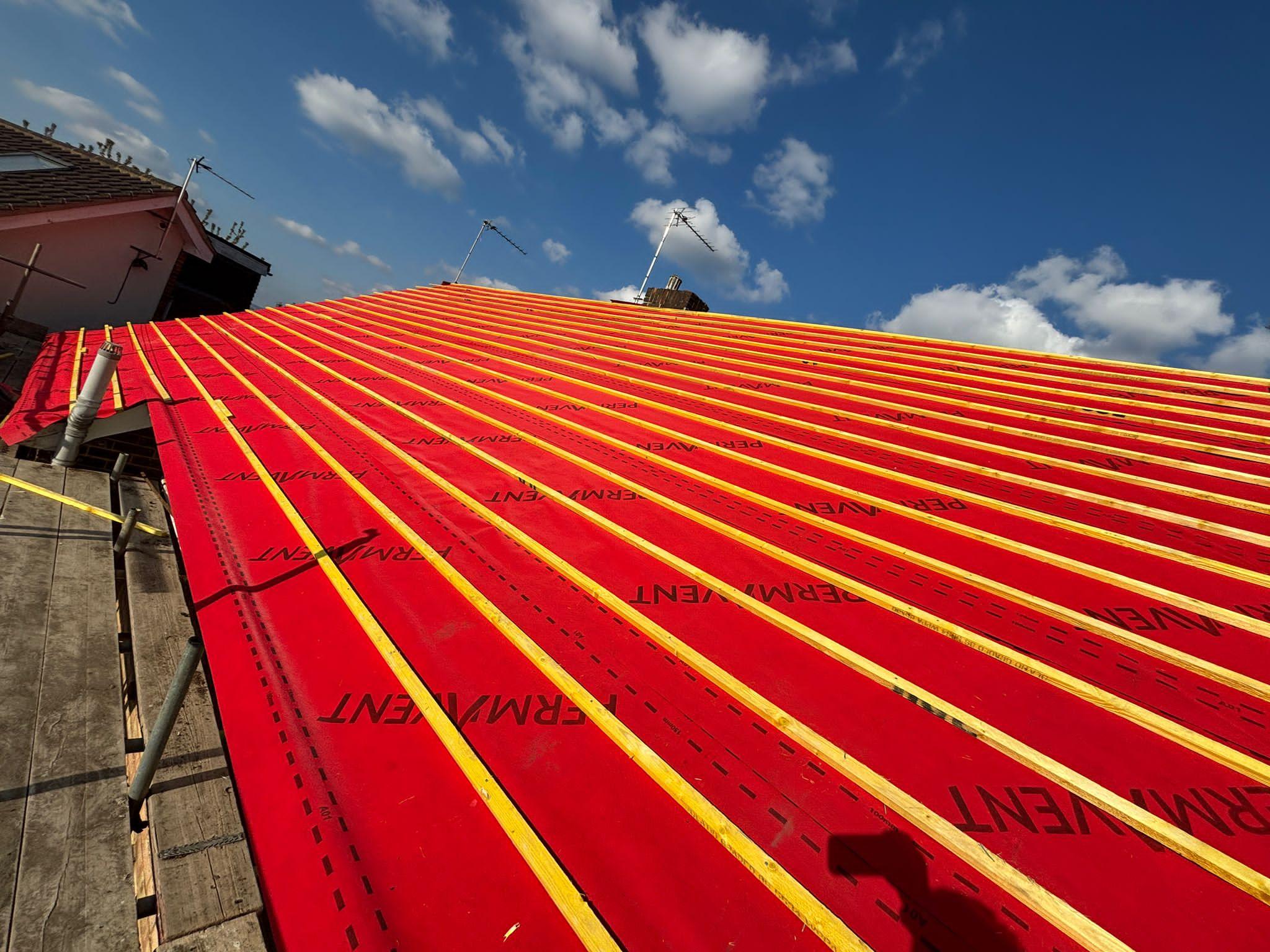
The cost of skipping it catches up at sale.
When a buyer's conveyancer asks for Building Regulations certificates and none exists, the sale can stall. Regularising un-certified work after the event means retrospective applications, fees, and sometimes opening up the roof to prove it meets current standards — all more expensive than doing it right the first time.
- Conveyancers routinely ask for certificates on notifiable roof work
- Retrospective regularisation costs more than certifying at the time
- Ask who signs off the work before you accept a quote, not after
Where to go next
The short answers
If more than 25% of your roof covering is replaced, measured per roof plane, the work must comply with Building Regulations, including the current thermal standards under Part L. Below that threshold, a like-for-like repair is not normally notifiable. The 25% is measured per roof plane, so re-covering one full slope of a pitched roof takes you over it.
When more than 25% of the covering is replaced, the work is notifiable. That normally means a building control application, fees, and an inspector visiting to approve the work. Your roofer may be registered with a Competent Person Scheme that allows them to self-certify, which removes the need for a separate council application. Ask your contractor before work starts who signs off the Building Regulations compliance certificate.
The work is unauthorised: the council can require it to be opened up or redone, and the missing certificate routinely surfaces when you sell, because conveyancers ask for it. Regularising un-certified work after the event costs more than doing it properly. Always ask a roofer who signs the work off before you accept a quote.
Yes. Changing to a different roof covering is notifiable because the weight difference can affect the roof structure. The work must include structural checks for the load change as well as the thermal insulation upgrade under Part L.
Yes, always. A loft conversion is structural work and needs full Building Regulations approval, separate from the roofing 25% rule. The building control sign-off should be managed as part of the project so you are not left chasing certificates.
Get a quote with the paperwork included
Tell ATS about your project and the roof work you are planning. We can confirm whether Building Regulations apply, who signs off the work, and what the certificate covers across Ipswich and Suffolk.